
Are you experiencing a reoccurring or uncomplicated UTI (urinary tract infection)? UTIs can catch you off guard, but relief doesn’t have to wait. Your pharmacist can assess your symptoms and, in many cases, get you started on treatment if appropriate.

*Depending on your province and local Pharmasave pharmacy, available services & products may vary.
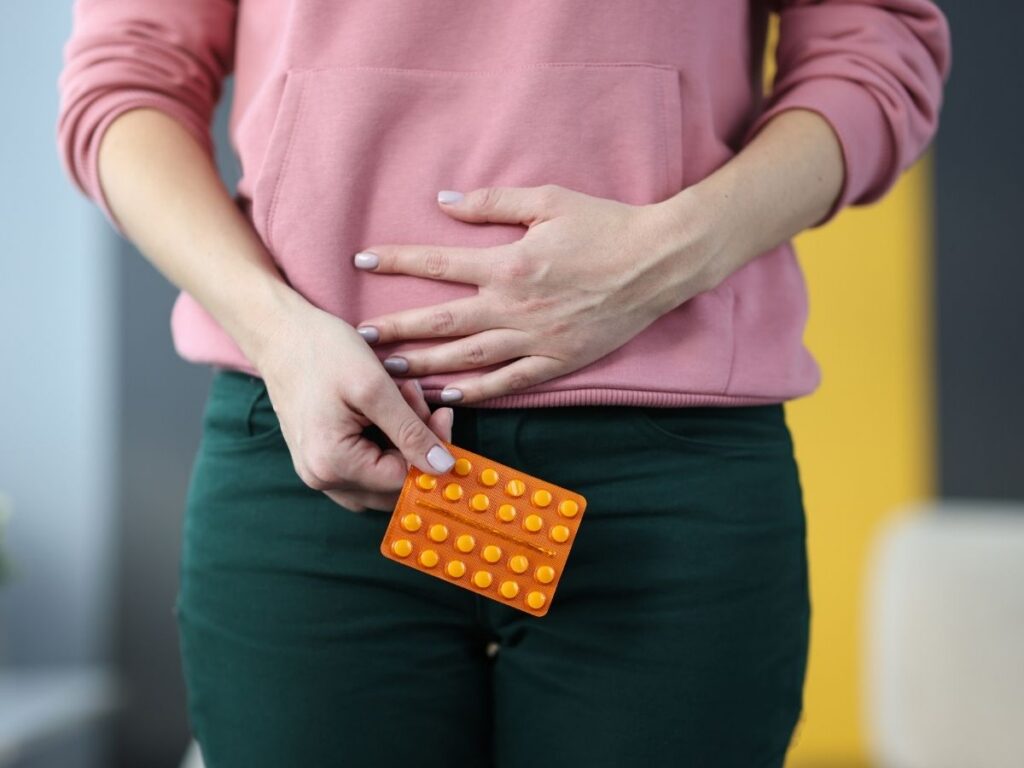
Your Pharmasave pharmacist will ask a few simple questions about how you’re feeling. From there, they’ll know exactly how to help, whether that’s starting you on treatment right away* or pointing you toward the right next step.
UTIs are almost always caused by bacteria, so antibiotics are usually the way to go. The good news? There’s more than one option, so your pharmacist can match you with one that fits your life, not just your symptoms. Things like:
Form: Capsules, tablets (including gelatin-free options), or a powder you mix into a glass of cool water
Length of treatment: Anywhere from 1 to 5 days
Frequency: Once, twice, or up to four times a day
*Note: In some provinces, pharmacists may be able to do more than advise about non-prescription ways to help you. To learn more about how your pharmacist can help, visit your local Pharmasave pharmacy and speak with your Pharmasave pharmacist.

Talk to your pharmacist about what’s best for you, now or down the road.
Believe it or not, you’re home to about 38 trillion bacterial cells. That’s more than the roughly 30 trillion cells that make up the rest of you. Most of the time, we all live together just fine. A UTI happens when that balance tips in your urinary tract, most often because of a bacteria called E. coli.
Women get UTIs more often than men, simply because of anatomical differences.
UTIs generally fall into two categories: complicated and uncomplicated.
Complicated UTIs can happen with an unusual urinary tract, a catheter, during pregnancy, and more. These call for a doctor’s care, since they often need more testing and sometimes stronger antibiotics.
Uncomplicated UTIs are more predictable and typically affect women with an otherwise healthy urinary tract. Common triggers can include:
About 80-90% of the time, E.coli is the cause.
Common symptoms of a UTI can include:
A UTI rarely clears up on its own, and the bacteria can travel further up to your kidneys (pyelonephritis) or into your bloodstream (sepsis). If fever or chills, nausea or vomiting, or pain in your lower back or sides show up alongside your symptoms, see your doctor.
A few habits can help keep UTIs at bay:
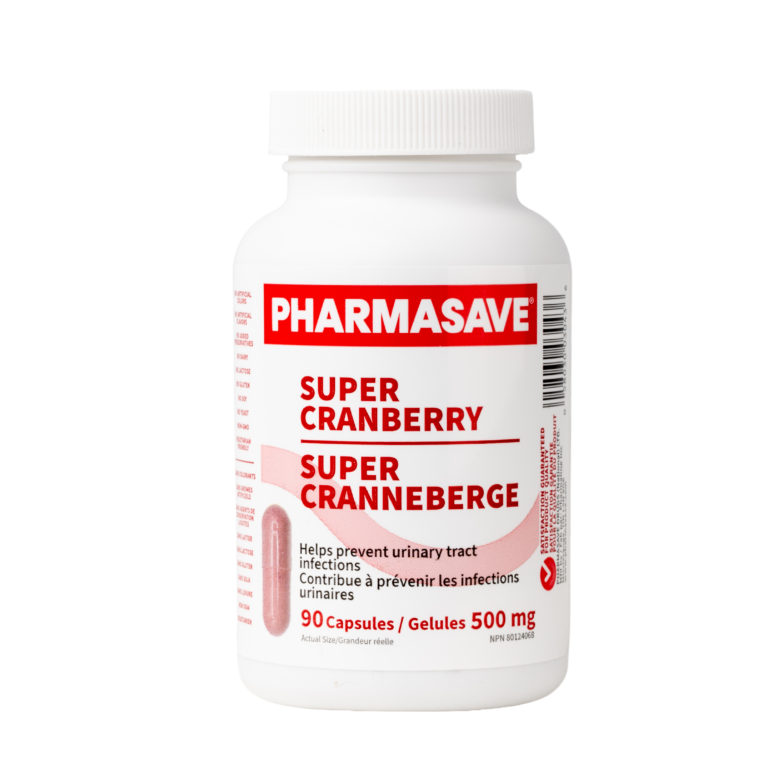
Urinary tract infections can be uncomfortable, but there are ways to support your body and reduce the risk of recurrence. Your Pharmasave pharmacist is here to help you choose the right options for prevention and wellness.
Pharmasave Super Cranberry Capsules offer a convenient way to incorporate the benefits of cranberry into your daily routine. Speak with your pharmacist today about how this supplement can fit into your health plan.
An uncomplicated UTI should not cause a fever. If you have a fever, or chills, nausea/vomiting, or lower back/side pain, along with your UTI symptoms, it is important to see a doctor to get assessed.
No, UTIs aren’t contagious. They happen when bacteria that’s already on your body travels up your urinary tract to your bladder, not from another person.
In many provinces, yes, your pharmacist may be able to prescribe antibiotics if appropriate, depending on the symptoms you’re experiencing. Talk to your pharmacist to find out what’s possible for you.
Cranberry pills or juice are sometimes used to help prevent UTIs, though the research on how well they work is still limited. When it comes to treating a UTI, there are no non-prescription or over-the-counter (OTC) options that can clear up the infection on its own. Antibiotics are the way to go.
Once you start antibiotics, symptoms usually ease up within 48 hours. Even so, it’s important to finish the full course so the infection clears completely. If you’re not feeling better within 48-72 hours, check in with your doctor.
Pharmasave uses cookies to provide a personalized experience, analyze traffic, improve site performance, and provide social media features. By using our site, you agree to our privacy policy.